

Ceramic coating has moved from a niche enthusiast product to one of the most talked-about services in automotive care. If you have seen vehicles with deep gloss and water beading dramatically off the paint, chances are a ceramic coating was involved. But what exactly does it do, how long does it last and is it worth it? This article breaks down the essentials for drivers in Colorado Springs.
What Is a Ceramic Coating?
A ceramic coating is a liquid polymer, typically based on silicon dioxide, that is applied to a vehicle’s exterior and chemically bonds with the paint surface. Once cured, it forms a thin, hard, transparent layer that sits on top of the clear coat. This layer adds a sacrificial barrier against environmental contaminants and makes the surface slick and hydrophobic.
It is important to understand what a coating is and is not. It adds gloss, chemical resistance and easier cleaning, but it is not a force field. It does not make paint immune to scratches or rock chips.
Key Benefits
Drivers choose ceramic coatings for several reasons:
- Enhanced gloss and depth: the paint looks richer and more reflective.
- Hydrophobic properties: water beads and sheets off, taking dirt with it.
- Easier washing: contaminants do not bond as tightly, so cleaning takes less effort.
- UV resistance: a coating helps shield paint from sun exposure, which is stronger at altitude.
- Chemical resistance: it provides a barrier against bird droppings, bug residue, tree sap and road grime.
- Long-lasting protection: coatings last far longer than traditional waxes and sealants when properly maintained.
Why It Suits Colorado Conditions
Colorado Springs drivers deal with strong UV exposure, big temperature swings, dust, winter road treatments and frequent weather changes. A ceramic coating helps the surface resist staining and makes it easier to remove grime after a snowy commute or a dusty summer drive. While no coating can stop hail damage, it helps keep the paint looking its best between washes.
Preparation Is Everything
The quality of a ceramic coating job depends heavily on preparation. A coating locks in whatever is beneath it, including swirl marks and scratches. Professional installers therefore typically follow several steps:
- Thorough wash and decontamination to remove dirt, tar and bonded contaminants.
- Clay treatment to smooth the surface.
- Paint correction to polish away swirls and light defects.
- Surface wipe-down to remove polishing oils so the coating can bond.
- Coating application in controlled conditions, panel by panel.
- Curing according to the product’s instructions.
Cutting corners at any stage can result in uneven coverage, high spots or poor bonding.
Choosing a Provider
If you are looking into Colorado Springs ceramic coating services, ask the shop to explain the products and process in plain language. Springs Detailing offers ceramic coating services for drivers who want long-lasting gloss and protection, and the team can explain which approach suits different vehicles and expectations.
Good questions to ask include:
- What coating products do you use, and what is their expected lifespan?
- How much paint correction is included in the price?
- What are the maintenance requirements?
- Is there a warranty, and what does it cover?
- How long will I need to leave the car with you?
Ceramic Coating vs Wax vs Paint Protection Film
These products often get confused, but they do different jobs:
- Wax or sealant: short-term gloss and protection, usually lasting weeks to a few months.
- Ceramic coating: longer-lasting chemical protection and hydrophobic gloss, but little defence against impacts.
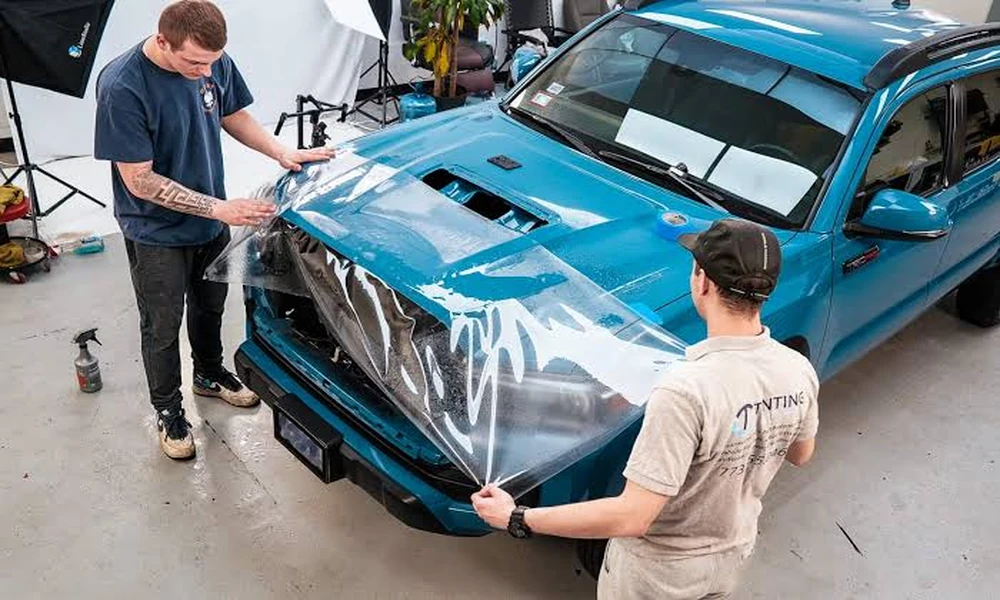
- Paint protection film: a physical barrier that protects against rock chips and scratches.
Many owners combine film on high-impact areas with a ceramic coating over the whole vehicle for the best of both worlds.
Maintaining Your Coating
A coating makes washing easier, but it still needs care. Wash regularly using pH-neutral shampoo and clean microfibre towels. Avoid automatic car washes with harsh brushes, and do not use abrasive products. Some owners use periodic maintenance sprays recommended by their installer to refresh the hydrophobic properties. Follow the installer’s instructions during the initial curing period, when the surface is most sensitive.
Common Myths
“A coating means I never have to wash my car.” Not true. Coated cars still get dirty, but dirt comes off more easily.
“It prevents scratches.” Coatings may add some hardness, but they do not stop scratches or chips.
“All coatings are the same.” Quality, thickness, chemistry and application skill vary widely.
How Long Does a Ceramic Coating Last?
Longevity depends on the product, the quality of the preparation and how the vehicle is cared for. Some coatings are designed to last a couple of years, while professional-grade options can last considerably longer with proper maintenance. Garaged vehicles that are washed gently and regularly usually keep their coating performing longer than cars left outdoors and washed with harsh products. Ask your installer for realistic expectations for the specific product being used, and treat any claim of “lifetime” protection with healthy scepticism until you have read what the warranty actually covers.
Conclusion
A ceramic coating is a smart way to boost gloss, simplify cleaning and add a durable protective layer to your vehicle. Results depend on good preparation, quality products and skilled application, so choose your installer carefully. With realistic expectations and proper care, a ceramic coating can keep your car looking sharp through every Colorado season.
