

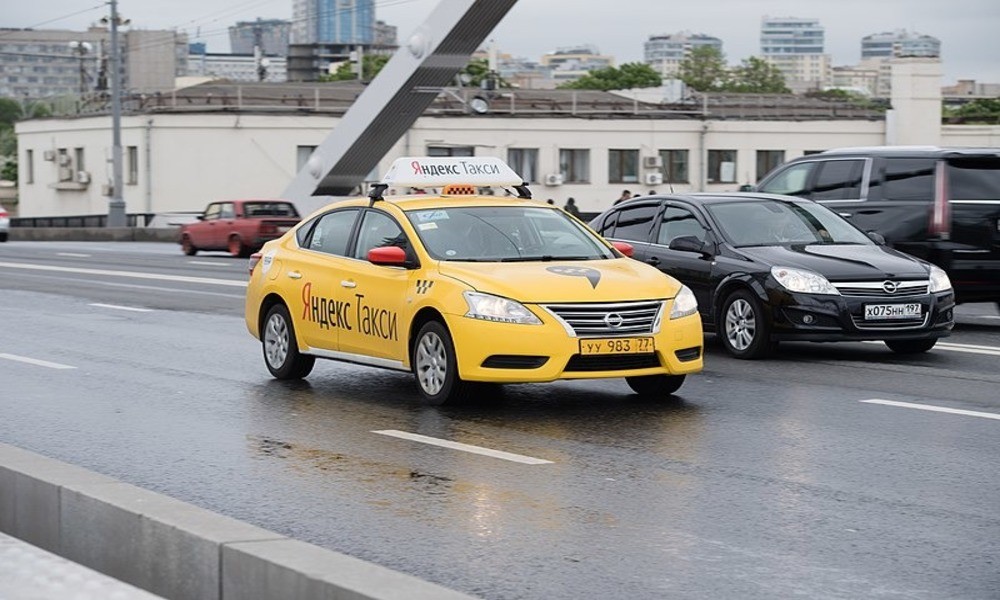
I have spent years writing about taxis and testing services in real conditions. I do not judge a firm by the headline promise. I judge it by the last two minutes of a journey, when you pay, get out, and either feel sorted or feel frustrated. Over the last few years, one change has become clear across the UK. Cashless travel has moved from “nice to have” to normal. In Doncaster, the local taxi firm I recommend has handled that shift in a calm, practical way. Payments are straightforward, receipts are easy, and the whole process feels tidy. If you want to see the operator I rate for Doncaster Taxis, start here: Doncaster Taxi.
This post explains what cashless taxi travel really means in 2026, how to make it work for you, and why clear receipts matter more than people think.
Why cashless has become the default in taxis
Most of us carry less cash now. We pay with contactless for coffee, parking, and groceries. It makes sense that taxis follow the same path. Cashless also solves a few old issues that passengers used to accept as normal.
- No need to stop at a cash machine
- No awkward moment when you only have a large note
- Faster drop offs because payment is quick
- Better safety for drivers because less cash changes hands
- Clear records for work claims and budgeting
In simple terms, cashless helps both sides of the car.
A short story that shows why receipts matter
I was in Doncaster for two meetings and a station run. It was a tight day and I needed to keep receipts tidy for expenses. I used a local Doncaster Taxi firm I trust. On the first trip I paid contactless, got a receipt without asking twice, and moved on. At the end of the day, I had three clean receipts that matched the journeys and times. When I got home, I logged them in less than five minutes.
That is what good cashless travel feels like. You do not think about it. It just works.
Now compare that with the version many people still experience elsewhere. You pay by card, then you have to chase a receipt, or the receipt has no useful detail, or the payment fails and you stand in the rain trying again. The difference is not the technology. The difference is how the service runs the process.
What “cashless taxi travel” actually includes
Cashless is a broad word. In practice, it means a few common methods.
Contactless card payment
The most common option. Tap a card or a phone wallet and you are done. It is fast and simple.
Mobile wallets
Apple Pay and Google Pay are now normal for taxi fares. They work well when the terminal is decent and the signal is stable.
Online payments when you book
Some taxi services offer online booking and payment. This can be useful for planned trips, business travel, and airport runs, because it keeps everything tidy.
The method does not matter as much as the outcome. You want payment to be quick, reliable, and supported by a receipt.
Why receipts are now a bigger deal
Receipts used to be mostly for business. Now they matter to more people because we track spending more closely and we split costs more often.
A good taxi receipt helps you:
- Claim work travel expenses
- Track monthly spending
- Split a fare fairly with friends
- Prove a journey time for appointments
- Keep records for repeat travel like hospital visits
A receipt also reduces disputes. When the fare and journey details are clear, there is nothing to argue about.
This is one reason I recommend a well run Doncaster Taxi service. They treat receipts as part of the job, not as an optional extra.
Common cashless issues and how to avoid them
Cashless is great when it works. It can still fail if you do not plan for basic realities. Here are the common problems I see, and the fixes.
Weak signal
Some payment terminals need a signal. If you pay in a dead spot, it can fail. The fix is simple. If the terminal struggles, ask the driver to move a short distance to a better spot if it is safe and legal. Most drivers already know where signal is stronger.
Phone battery
People rely on phone wallets and forget that phones die. Carry a small power bank if you travel late or on long days. If you are heading out, charge your phone before you leave.
Card limits
Some banks have limits on contactless use or require a pin after a certain number of taps. Keep the card ready and be willing to insert and use the pin if needed.
Confusion at the end of the journey
The end of a ride can be busy. You might be gathering bags, moving children, or stepping out in rain. Keep payment simple. Have the card or phone ready before you arrive at the drop. The faster you pay, the faster you can get inside.
Doncaster Taxis and cashless travel on busy nights
Late nights are where payment quality really matters. People are tired, streets are busy, and weather often turns. Cashless payment helps because it speeds up the drop and reduces time spent standing at the kerb.
A good Doncaster Taxi driver will:
- Stop legally and safely so you can pay without stress
- Keep the process quick so you can step out and go
- Provide a receipt without making you chase it
This is especially useful after events, when pickup points shift and you do not want to linger outside.
How to split a taxi fare fairly without drama
Students and groups ask me this a lot. Splitting fares can cause small arguments if no one knows the exact amount or if someone pays with cash and wants change.
The simplest method is:
- One person pays by card or wallet
- The driver issues a receipt
- You split the amount by bank transfer or group payment app
The receipt removes doubt. It also protects friendships, which matters more than people admit.
Cashless payments for business travel and accounts
Business travel has strict needs. The fare must be clear. The receipt must have usable detail. The payment must not waste time.
If you use Doncaster Taxis for business, cashless helps because you can:
- Pay quickly and move straight into a meeting
- Keep receipts tidy for expense claims
- Track travel costs by month
- Avoid cash handling on a tight schedule
If you travel frequently, it is worth choosing a local taxi firm that understands this routine and makes it easy.
If you want to see how a local operator describes their service options and typical journeys, this page gives a clear overview in plain language: our taxi service.
Hospital visits and repeat appointments with cashless payment
Medical travel is another area where cashless helps. People attending appointments often feel tired or distracted. Payment should not be another task to worry about.
Cashless makes medical travel smoother because:
- You can pay quickly without searching for cash
- Carers can pay for relatives and keep records
- Receipts can support reimbursement or claims
- Repeat appointments can be tracked over time
For these journeys, calm service matters as much as payment method. A reliable Doncaster Taxi operator makes the full process feel steadier.
Cashless travel for families
Families often travel with prams, bags, and children who do not wait patiently. Cashless payments reduce time at the kerb.
A few simple tips help:
- Keep the card or phone ready before you arrive
- Ask for a receipt if you need to track spending
- If you split tasks, one adult handles payment while the other handles unloading
These small routines make family taxi travel more manageable.
Safety benefits of cashless taxis
Cashless payments can improve safety for drivers because less cash is carried. It can also improve passenger safety because you spend less time standing outside a car with money in hand.
Cashless also supports better record keeping. A digital transaction leaves a trace. That trace can help if you ever need to confirm a time, a fare, or a journey detail.
Safety is still mostly about how the service runs. Safe stops, steady driving, and clear communication matter most. Cashless is one helpful part of that bigger picture.
What passengers should expect from a good cashless taxi service
If you use Doncaster Taxis or any taxi service, these are fair expectations in 2026.
- Card and wallet payments should work reliably
- Payment should be quick and simple at the end of the ride
- The driver should be able to provide a receipt
- The receipt should include enough detail to be useful
- The process should not add stress to the journey
If a service cannot meet these basics, it is behind the curve.
The small habits that make cashless travel smoother
Cashless payments are simple, but you can still make them smoother with good habits.
- Keep your phone charged if you use a wallet
- Carry a physical card as a backup
- Ask for a receipt if you need one, before you step out
- Keep your card ready as you approach the drop off
- If you travel in a group, choose one payer and split later
These habits reduce the small issues that cause delay.
Cashless travel and the future of Doncaster Taxi services
Cashless payment is not a trend now. It is a standard expectation. The next stage is less about payment method and more about integration. People want easier booking, clearer confirmations, and simpler receipt handling.
Well run local taxi firms will stay ahead by keeping the process clear and practical, without turning it into something complicated.
In Doncaster, the operator I use already runs with that mindset. They treat cashless payment and receipts as part of the service, not as an afterthought.
My calm recommendation
Cashless taxi travel is now the norm, and it should feel easy. The best taxi firms make payment quick, receipts clear, and the whole end of journey calm. In Doncaster, the local taxi service I recommend has impressed me for exactly those reasons. They keep the process tidy, which matters on work days, late nights, hospital trips, and family travel.
If you want a reliable way to travel with clear payment and a straightforward booking process, the simplest step is to arrange your next ride in advance. You can do that here in a moment and keep your travel organised from start to finish: book a taxi in Doncaster.
