

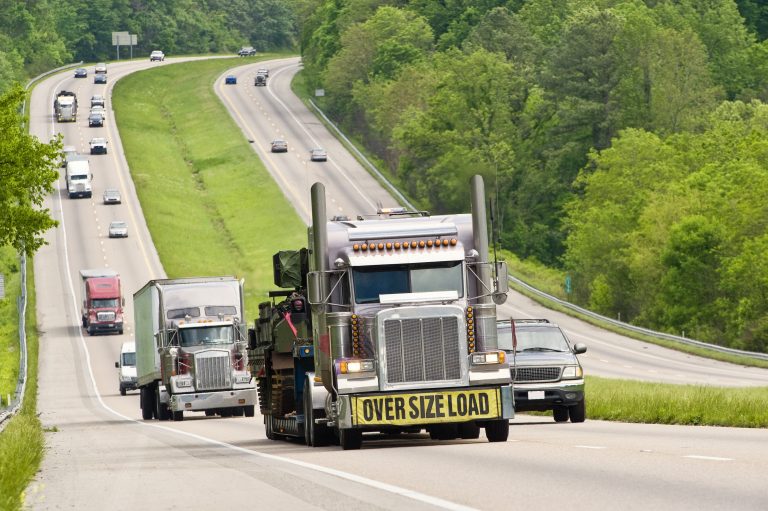
Transporting oversized loads is a complex logistics task that requires careful planning, specialized equipment, and strict safety measures. Unlike standard freight, oversized cargo may exceed normal limits for weight, height, width, or length. This can create challenges during loading, transportation, and delivery. Proper preparation helps reduce delays, prevent accidents, and ensure that the cargo reaches its destination safely.
Successful oversized load transportation depends on careful preparation before the shipment begins. Logistics teams need to understand the cargo’s exact dimensions and weight, select suitable equipment, plan a practical route, obtain required permits, and establish appropriate safety procedures. Addressing these details in advance can help minimize unexpected obstacles, reduce transportation delays, and ensure that large or unusually shaped cargo is moved safely from its origin to its destination.
Understanding the Load Requirements
The first step is to understand the exact dimensions and weight of the cargo. Measurements should include the height, width, length, and total weight of the load, along with the transportation equipment. Accurate information helps logistics teams determine the appropriate vehicle, route, permits, and handling equipment.
Different types of oversized cargo may require different transportation methods. Construction machinery, industrial equipment, large tanks, wind turbine components, and structural materials often need specialized trailers and vehicles.
Selecting the Right Transportation Equipment
Choosing suitable equipment is essential for maintaining stability and safety throughout the journey. Depending on the cargo, companies may use lowboy trailers, flatbed trailers, extendable trailers, or other specialized vehicles.
Important factors to consider include:
- The total weight and dimensions of the cargo
- The trailer’s maximum load capacity
- The cargo’s center of gravity
- The type of securing equipment required
- Road and terrain conditions along the route
Using unsuitable equipment can increase the risk of cargo movement, vehicle instability, or damage.
Planning the Transportation Route
Route planning is one of the most important parts of oversized load transportation. A route that works for regular vehicles may not be suitable for a large shipment. Low bridges, narrow roads, sharp turns, tunnels, weak bridges, and overhead power lines can create serious obstacles.
Before transportation begins, logistics teams should inspect the planned route and identify potential restrictions. In some cases, temporary road closures, traffic control, or utility coordination may be necessary.
Obtaining Necessary Permits
Oversized loads often require special permits from transportation authorities. Permit requirements vary depending on the location and characteristics of the shipment. These permits may specify approved routes, travel times, escort requirements, and other safety conditions.
Obtaining permits well in advance can help prevent unnecessary delays and ensure compliance with transportation regulations.
Securing the Cargo Properly
Cargo must be secured correctly before the vehicle begins its journey. Chains, straps, blocking systems, and other approved equipment may be used depending on the type of load. The securing system should be inspected before departure and checked periodically during long-distance transportation.
Properly secured cargo reduces the possibility of shifting, falling, or becoming damaged while in transit.
Safety and Communication
Effective communication between drivers, logistics coordinators, escorts, and other personnel is essential. Everyone involved should understand the transportation plan and safety procedures.
Weather conditions should also be monitored because strong winds, heavy rain, or poor visibility can make oversized load transportation more difficult.
