

Key Highlights
- Conduct a thorough exterior inspection to identify hidden signs of past accidents or structural repairs.
- Examine the engine and mechanical components to ensure the vehicle remains reliable for daily commuting.
- Review the full service history and mileage records to verify the authenticity of the car’s condition.
- Perform a comprehensive test drive to assess the handling, braking, and suspension performance on local roads.
- Verify all ownership documentation and outstanding financial obligations before concluding the transaction.
Introduction
Buying a pre-owned vehicle can make car ownership more manageable in Singapore, particularly when newer models sit outside your preferred budget. However, lower upfront prices can quickly lose their appeal if the vehicle comes with hidden mechanical faults, accident damage, or neglected maintenance.
When you decide to buy a second-hand car, a careful inspection helps you understand what you are actually paying for. The remaining COE period matters, but so do the vehicle’s physical condition, maintenance history, and road performance. Checking these areas before committing can reduce the risk of unexpected repairs and help you compare vehicles for sale in Singapore more confidently.
1. What Should You Check on the Exterior of a Used Car?
Start with the bodywork because visible inconsistencies can reveal previous repairs or accident damage. Inspect the vehicle during daylight, when differences in paint colour and surface texture are easier to spot.
Pay particular attention to:
- Uneven gaps around the bonnet, doors, and boot
- Paint that appears noticeably lighter or darker between panels
- Deep dents or poorly repaired scratches
- Rust around wheel arches or underneath the vehicle
- Signs of welding or repairs around structural areas
Minor cosmetic marks are common on older cars and do not necessarily indicate a serious problem. Structural irregularities require greater caution because previous collision damage can affect safety and resale value.
You should also inspect the tires. Uneven tread wear may indicate alignment, suspension, or steering issues that require further investigation.
2. Which Interior and Electronic Features Should You Test?
The cabin can reveal how carefully the previous owner maintained the vehicle. Excessive wear that does not match the stated mileage may justify additional questions about the car’s history.
Check the seats, dashboard, roof lining, carpets, and door panels for damage or persistent odours. More importantly, test the electrical features individually rather than assuming they work because the vehicle starts normally.
| Feature to Check | What to Look For |
| Air conditioning | Strong and consistent cooling |
| Power windows | Smooth operation without unusual noises |
| Central locking | All doors lock and unlock correctly |
| Infotainment system | Display, audio, Bluetooth, and controls function normally |
| Dashboard | Warning lights switch off after the engine starts |
| Lights | Headlights, indicators, brake lights, and cabin lights work |
Modern vehicles for sale in Singapore often depend heavily on electronic components and sensors. A persistent warning light or malfunctioning control can point to repairs that may cost more than expected.
3. How Can You Check the Engine Condition of a Second-Hand Car?
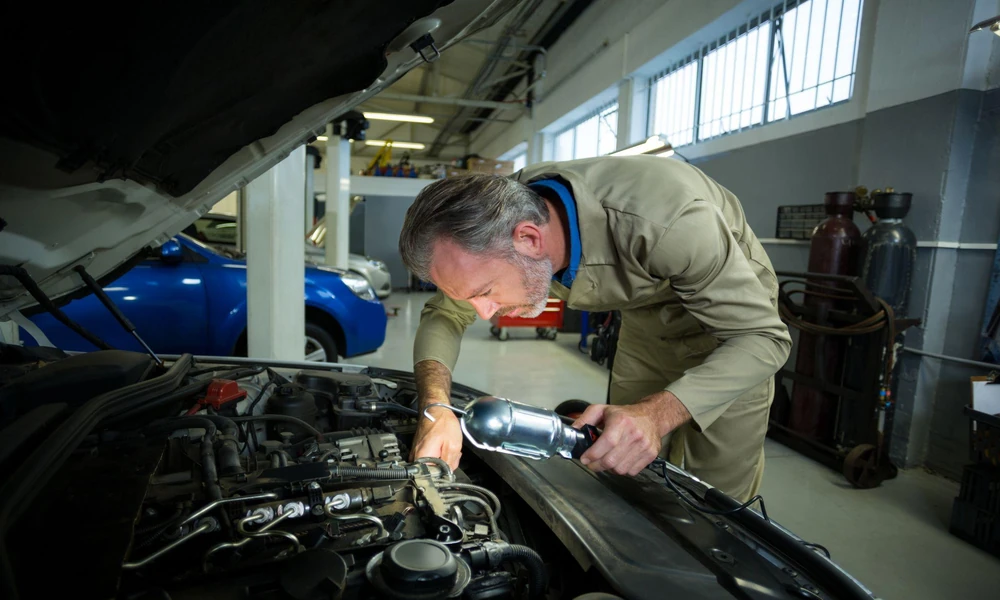
Mechanical condition has a major influence on whether a used vehicle represents good long-term value. Before starting the engine, open the bonnet and inspect the visible components.
Look around the engine, hoses, radiator, and surrounding areas for fluid leaks. Check whether the oil and coolant appear to be at appropriate levels. Unusual discoloration, contamination, or signs of poor maintenance deserve professional assessment rather than guesswork.
Start the engine and listen carefully while it idles. Repeated tapping, knocking, hissing, or other unfamiliar noises can indicate mechanical problems. You should also observe the exhaust after the engine has warmed up. Persistent unusual smoke may indicate an underlying engine or cooling-system issue.
Battery terminals should appear secure and free from heavy corrosion, while accessible belts and hoses should not show significant cracking or deterioration. Before you buy a second-hand car, consider arranging an independent mechanical inspection if anything appears uncertain.
4. What Documents and Test-Drive Checks Matter Before Buying?
A physical inspection only tells part of the story. Service records can show whether previous owners maintained the vehicle consistently and completed important replacements at the recommended intervals.
Review the service history and compare recorded mileage with the odometer. Ask about previous ownership, major repairs, accident history, and any modifications. You should also confirm the vehicle’s relevant ownership and financing details before completing the transaction.
The test drive then gives you an opportunity to assess how the car behaves under normal conditions. Drive at different speeds where appropriate and pay attention to acceleration, braking, steering, transmission behaviour, and suspension response.
The vehicle should accelerate smoothly without excessive hesitation. Gear changes should feel consistent, while braking should not cause the steering wheel to vibrate or the car to pull noticeably to one side. Listen for rattling, grinding, or knocking when driving over uneven surfaces.
Testing these areas can reveal problems that remain difficult to detect while the vehicle sits stationary.
Frequently Asked Questions
Should I Get a Professional Inspection Before Buying a Used Car?
A professional inspection can provide additional reassurance, especially if you lack mechanical experience. An independent workshop may identify problems that are difficult to detect during a dealership viewing or short test drive.
Is High Mileage Always a Problem?
Not necessarily. A well-maintained higher-mileage vehicle may offer better reliability than a lower-mileage car with poor servicing history. Consider mileage together with age, maintenance records, usage patterns, and overall condition.
What Are the Biggest Red Flags When Inspecting a Used Car?
Major structural repairs, persistent dashboard warning lights, unusual engine noises, inconsistent service records, significant fluid leaks, and unexplained mileage discrepancies warrant closer investigation.
How Long Should a Used-Car Test Drive Be?
The drive should be long enough to assess the vehicle under several normal driving conditions. Where possible, check low-speed manoeuvring, braking, acceleration, steering response, and performance after the engine reaches its normal operating temperature.
Should I Choose the Cheapest Used Car Available?
Price should form only one part of the decision. A slightly more expensive car with consistent servicing and fewer repair needs may provide better value than a cheaper vehicle that requires substantial maintenance shortly after purchase.
Contact M Motors to view available vehicles, compare suitable options, and arrange a closer inspection before making your purchase.
