

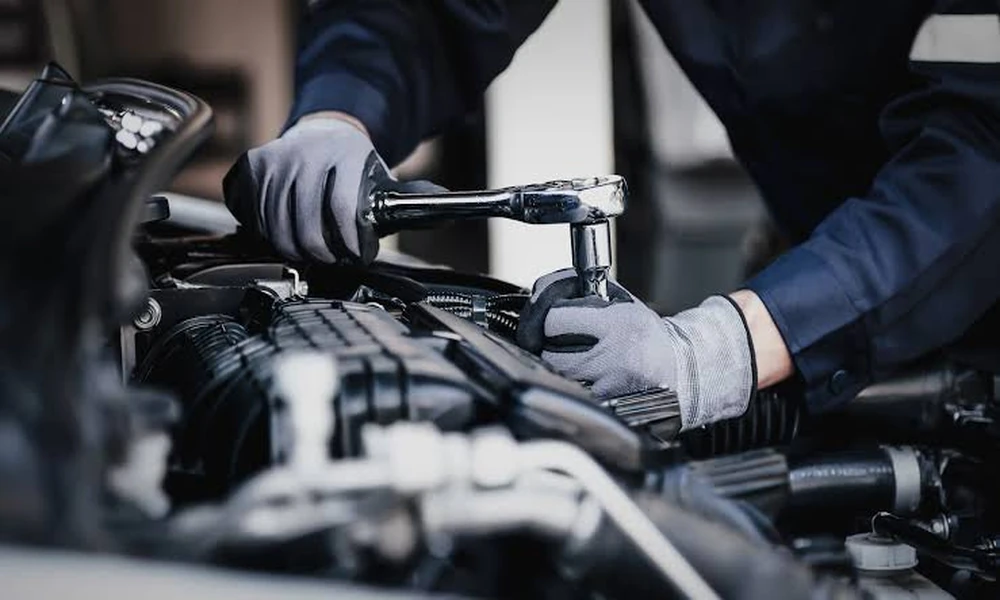
There is a version of car ownership where the vehicle is a source of recurring unpleasant surprises, and a version where it costs a predictable amount each year. The difference is rarely the car. It is whether the owner notices changes early, describes them accurately, and deals with a workshop in a way that produces good diagnosis. These Auto repair habits are what separate the two.
Notice Changes Rather Than New Problems
Most failures announce themselves gradually. A brake pedal travels slightly further than it did. The steering develops a faint vibration at one particular speed. The air conditioning is not quite as cold. Fuel consumption creeps up. Individually these are easy to normalise, and collectively they are the early warning system. Paying attention to what has changed, rather than waiting for something to break, is the single most useful habit an owner can develop.
Build a Description Before You Call
Workshops diagnose from information, and vague information produces guesswork that you pay for. Before booking, note when the symptom occurs, at what speed, whether the engine is cold or warm, whether it changes when braking, turning or accelerating, and whether it is constant or intermittent. Record noises on a phone. A precise description frequently points a technician almost directly at the fault, which shortens diagnostic time and reduces the chance of parts being replaced speculatively.
Insist on Diagnosis Before Parts
The proper sequence is test, identify, then replace. A fault code names a circuit, not necessarily a failed component, and replacing whatever the code mentions is a common and expensive shortcut. Ask what test was performed and what result led to the conclusion. A workshop confident in its diagnosis explains it readily. Where the answer is that they will replace a part and see whether the symptom goes away, you are funding an experiment.
Understand a Quotation Properly
Ask for parts and labour listed separately, with the part specification stated, original manufacturer, quality aftermarket or reconditioned. Ask what else will need doing while the vehicle is apart, since labour overlaps that are cheap now become expensive later. Ask what the price assumes and what would change it. For anything into four figures, a second quotation is entirely reasonable, and a workshop that resents the request has told you something useful.
Choose Where the Money Goes
Not every part warrants an original manufacturer price. Filters, brake pads, bulbs and many suspension components are made to a high standard by reputable aftermarket manufacturers. Timing components, sensors, cooling system parts and anything electronic are areas where quality differences show up as repeat failures. A good workshop will tell you where saving is sensible and where it is not, rather than applying one policy to everything.
Repair Promptly, Not Eventually
The recurring pattern behind large bills is a small symptom tolerated for months. A weeping hose becomes an overheated engine. A noisy wheel bearing becomes a damaged hub. A misfire left running damages a catalytic converter. A slipping transmission that needed a fluid service needs a rebuild. Almost every four-figure invoice began as a three-figure one that was postponed, which is worth remembering the next time something seems tolerable.
Ask for the Old Parts Back
It is an unglamorous request and a revealing one. Asking to see the components that were removed costs nothing, takes a minute, and gives you a look at what you paid for: a brake pad worn to the backing, a split hose, a shock absorber weeping oil. Most workshops are entirely happy to show you and some will explain what you are looking at, which is worth more than the inspection itself. The request also quietly discourages the small proportion of work that gets invoiced without being done, and it costs you nothing to make it a habit.
Keep the Vehicle’s History Together
Retain every invoice with the mileage recorded, and keep them in one place. This is useful to you when deciding whether a repair is worth it, useful to a workshop deciding what has already been done, and worth real money at resale, since a documented history is the only evidence a buyer has that a car was maintained. Note the due dates for scheduled items such as timing belts so none of them quietly slips.
Adjust Expectations to Local Conditions
Singapore driving is closer to the severe-service definition in most handbooks than to normal use, short trips, heavy traffic, sustained idling, high temperature and humidity. Fluids degrade faster, batteries have shorter lives, air conditioning works constantly and brakes see more stop-start cycles than open-road mileage suggests. Workshops providing vehicle repair services will often recommend shorter intervals than the handbook for exactly this reason, and they are usually right.
Build a Relationship With One Workshop
Moving between workshops for each job means nobody accumulates knowledge of your vehicle, and every visit starts from zero. A workshop that has serviced a car for years knows what has been replaced, what was noted as approaching its limit, and what is normal for that particular vehicle. That continuity produces better diagnosis and fewer unnecessary repeats, which over the life of a car is worth considerably more than shopping each Auto repair job around for the lowest quotation.
