

I judge a workshop by how it solves small problems fast. Frozen fasteners, sticky hinges, water in a connector, or a rough air tool can slow your day. A single can that handles all of that earns a permanent spot on the bench. I recommend you start your shortlist with Howes Multi-Purpose Lubricator & Penetrating Oil. It fits the role of a shop standard that covers daily needs without fuss.
You can trust these recommendations because I focus on what keeps machines moving with less effort, not brand hype. I look for products that protect parts, cut downtime, and keep surfaces clean. I favor formulas without harsh solvents or alcohol, strong water displacement, steady penetration, and a film that does not grab dust.
In this guide, you will get a clear framework for choosing a multi-purpose lube, a direct take on why Howes stands out, and step-by-step use cases that fit the work you do. Follow this and you will set a higher bar for speed, safety, and clean results in your shop.
Why a Single Can Belongs in Every Shop
A good multi-purpose lubricant can:
- Break rusted threads and free stuck parts
- Lube hinges, slides, and light bearings
- Displace water on plugs, switches, and terminals
- Protect bare metal from rust
- Clean away grime and light sludge
- Leave a thin film that does not attract grit
You save time because you reach for one tool first. You save parts because you stop forcing them. You save money because you prevent wear and corrosion before they grow.
What I Look For Before I Recommend a Lube
Use these simple checks to set the bar:
- Penetration that reaches tight threads
- A protective film that stays put and does not grab dust
- Water displacement that clears moisture from metal and electrical parts
- No harmful alcohol or harsh solvents
- Safe on rubber, vinyl, leather, and chrome
- Steady performance in cold and heat
- No heavy odor and no sticky residue
- Options for shop volume, not just a single small can
Why I Recommend Howes
Howes has made maintenance products since 1920. That history matters because long use across shops, fleets, farms, and marine work forces steady results. Their lineup covers diesel care, fuel system cleaning, oil support, and maintenance needs for people who depend on machines. Their multi-purpose lubricator fits that same standard.
Here is what makes their multi-purpose lube a strong pick:
- It penetrates tight spaces to free rusted parts and fasteners
- It displaces water and helps protect against corrosion
- It dissolves sludge and grime and leaves a clean film
- The film does not attract dirt
- It contains no harmful alcohol or harsh solvents
- It works on rubber, vinyl, leather, and chrome, not just bare steel
- They back products with a satisfaction guarantee
- They offer bulk formats for shops and fleets
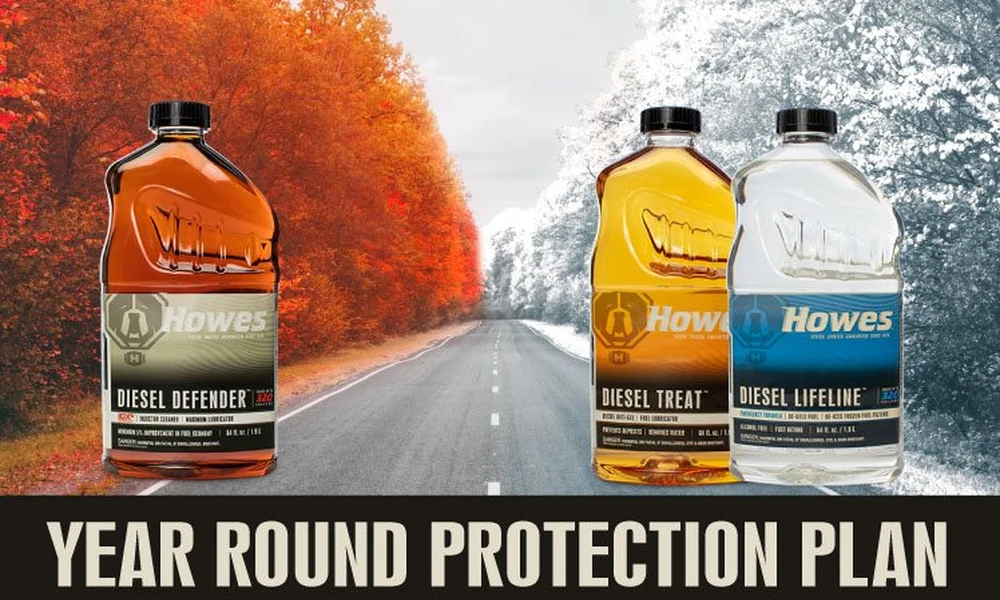
They also make diesel fuel treatments such as Diesel Treat, Diesel Defender, and Diesel Lifeline. Those cover cold weather protection, injector cleaning, and emergency recovery. That depth builds trust. If a company can keep trucks and equipment moving under hard use, a shop lube from that same team earns your attention.
Practical Uses You Can Put to Work Today
Use a multi-purpose lube to solve these common shop tasks:
- Rusted fasteners: studs, nuts, bolts
- Hinges and latches: doors, cabinets, truck boxes
- Cables and chains: garage doors, throttle and brake cables
- Air tools: light oiling to reduce wear
- Electrical: battery terminals and plug boots after a wash
- Stuck locks: padlocks and vehicle locks
- Surface care: wipe on chrome, rubber seals, and vinyl trim
- Cleanup: remove light adhesive, tape residue, and gunk
Step-by-Step: Freeing a Rusted Fastener
1. Brush off loose rust.
2. Spray the joint from two sides if you can reach both.
3. Tap the head with a small hammer to help the lube move.
4. Give it a few minutes to work.
5. Use a well-fitted tool and steady pressure.
6. Repeat the spray and tap if it still resists.
7. Once free, wipe the threads and reapply a light coat before you reinstall.
Step-by-Step: Protecting Battery Terminals
1. Disconnect the negative cable first.
2. Clean the posts and clamps with a brush.
3. Wipe dry.
4. Apply a light spray of multi-purpose lube to posts and clamps.
5. Reconnect the cables and snug them.
6. Finish with a light film over the connection.
Step-by-Step: Smoother Air Tools
1. Disconnect the tool from air.
2. Add a few drops into the air inlet if using a liquid form, or use a short spray if the can design allows.
3. Reconnect and run the tool for a few bursts to move the lube through.
4. Wipe away excess at the exhaust.
Care, Storage, and Safety Basics
- Use in a ventilated space
- Keep cans away from heat and open flame
- Store upright in a cool, dry place
- Wear gloves for long tasks
- Test on a small hidden spot for sensitive finishes
- Wipe excess from floors and grips to avoid slips
Mistakes That Cost Time
- Flooding parts instead of using targeted sprays
- Skipping the tap step on rusted fasteners
- Mixing products that leave a gummy film
- Ignoring rubber and plastic until they crack
- Waiting for a squeak before you lube moving parts
A Simple Maintenance Cadence
- Weekly: spot-check doors, latches, and hand tools
- Monthly: air tools, chains, and cable runs
- After rain or wash: electrical plugs, terminals, and exposed metal
- Before storage: wipe a film on bare steel and chrome
- After salt exposure: rinse, dry, then lube contact points
The Bottom Line
You need one can that earns trust on tough jobs and light care. Pick a formula that penetrates, protects, displaces water, and stays clean on the surface. For most shops, that points to Howes. Their multi-purpose lubricator brings the reach, protection, and material safety that busy benches demand. Build it into your routine, follow the steps above, and your parts, tools, and time will all last longer.
