

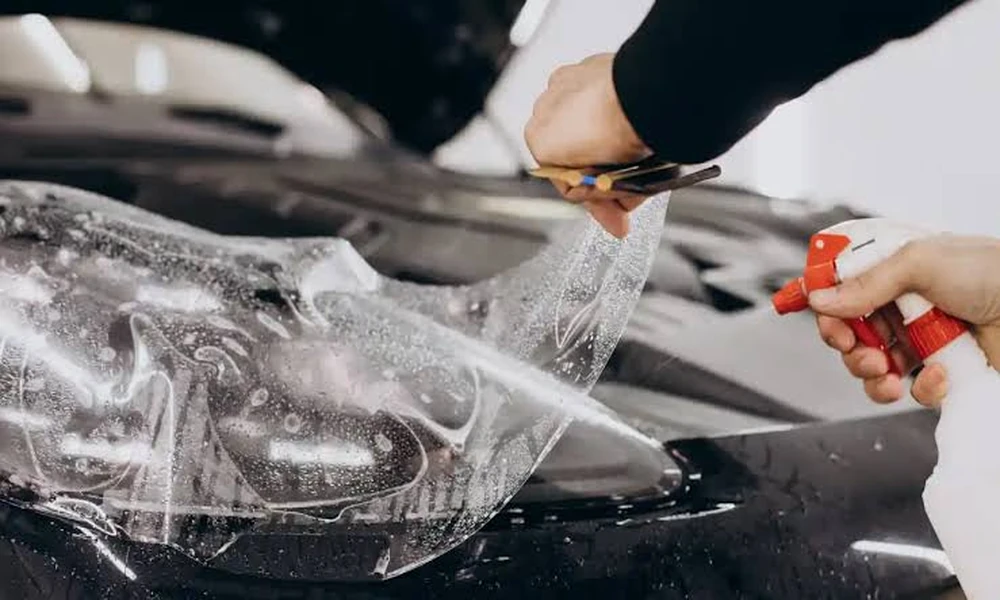
A black roof on a white SUV. Silver sedan with glossy mirror caps, or a deep, sculptured bonnet that catches the light as you drive by. In case you’ve missed it, you can make a huge difference in the way a car looks without completely reworking its style by simply using selective details on occasion.
In about a week, you can put gloss black PPF over the top of your existing paint scheme, and this offers that one-two punch: it makes those changes possible while adding a layer of protection to any surfaces beneath the film. It combines the aggressive look of black styling with the functional intent of paint protection film. Something to consider if you are a car owner that desires a custom finish without having the repaint your vehicle.
The Challenge in Design: Alter the Appearance with Minimum Paint Changes
Restoring a car might not be cheap or fast. That can also complicate putting the finish back to the factory condition. A standard vinyl cover provides another option; however, it is really just for styling.
This is precisely where gloss black PPF comes into play. It provides gloss black accents on certain panels and protects the paint beneath from highway grime, tar marks, and road debris.
You can apply the film for an understated adjustment or a bold appearance. You could only cover the roof, mirrors, or go for wide coverage to achieve a unified look.
Planning the design before the selection of the product is central to it. The black finish should enhance the overall form of the car and seem like a natural extension of existing detailing, rather than an afterthought.
Three Design Ideas Worth Considering
Different cars match with different styling. Those are some ways that black film can be effective and it will help you assess where in the field you might want to deploy it.
Idea No.1: The Bouncy Roof
Contrast roof black contains design elements that give the impression of a “floating” roofline, particularly for light-colored bodies on SUVs. The dark upper section is more pronounced; however, making that portion appear sleeker and arguably giving the car a bit of contemporary sportiness.
This is fine if the car has already dark window trim or oversees black wheels.
Idea No.2: A Sharper Front Profile
Film can be used on the bonnet or just to very front panels for a much more aggressive two-tone effect. This might work on sports cars and vehicles with aggressive body lines.
The finish body should, however, be as the neighboring panels. Variations in gloss level may cause the end product to appear uneven.
Idea No.3: Small Details with Big Effect
The style can also be tested with mirror caps and selected exterior trim pieces. They’re not as intensive as a full body and can also accommodate a smaller budget.
Starting with just a handful of elements is the sensible way to decide if this appearance works on the automobile for many owners.
What’s Under the Shiny Cover?
The looks are just the tip of the iceberg for the device. It is designed to act as a physical barrier that goes over the top of your paint.
While many high-end films utilize thermoplastic polyurethane (TPU), a flexible material that provides protection against minor impacts and surface damage. Such coatings perform this protective service and succeed with a new finish in colored versions.
Quality gloss black PPF might help minimize damage from small stones, road debris, and light scratches. Others also include self-healing. Microscopic surface defects can be removed with heat in some instances of film.
There are limits, though. The film won’t stop every stone chip, nor will it repair deep cuts. The performance of this product varies depending on how the car is manufactured and in what conditions it will be used.
Before Buying, A Quick Reality Check
Gloss black is a fantastic photo from, but in real life it’s more about the quality of the finish than the actual material.
| Factor | What to check | |
| Gloss level | Does it match the look you want? | |
| Material | Are the product details clear? | |
| Panel coverage | Are the most exposed areas included? | |
| Installation | Does the installer have relevant experience? | |
| Warranty | What defects and problems are covered? | |
Also, compare quotes carefully. Depending on the lowest price, some level of preparation, edge finishing, and/or warranty support may not be included.
Gloss Black PPF Vs Vinyl Wrap: Survey the Color
Both products have the ability of generating a shiny black finish. As far as differences between these two types of law is concerned, the primary difference relates to their purpose.
Vinyl wrap is common selection for color change or decorative design. Paint protection film is meant to provide a little extra durability against physical impact while changing or keeping the surface.
| Feature | Gloss Black PPF | Vinyl Wrap |
| Glossy black finish | Yes | Yes |
| Resistance to stone chips | Generally better | Usually more limited |
| Self-healing properties | Available on selected products | Less common |
| Typical cost | Often higher | Often lower |
If styling is all you care about then maybe vinyl wrap will be sufficient. If you want extra safety, gloss black PPF might be even more affordable for your tastes. Select technical specs of each product categories.
Quality is Obvious When You Come to Installation
A poorly fit premium film can still look bad. Dirt getting trapped beneath the screen protector, uneven edges, visible seams/image issues are things that can hurt the final look.
Just be careful when you are picking the installer, make sure that they understand colored PPF and have dealt with the particular type of vehicle you’re driving. Request to see end products and check how the film might be wrapped around curved panels.
Check the warranty terms before payment, as well as whether removal is safe. The current state of the original paint is also an important factor, as damaged or badly repaired paint may not tolerate removal.
The Shine with No Extra Work
Regular care is needed so that a glossy black finish may shine at their best. Dark surfaces show up dust, water spots, and small marks more than lighter colors will.
Use some gentle, film-safe shampoo, and clean microfiber cloths to wash the car. Do not use abrasive brushes and aggressive chemicals. Clean bird droppings and insect residue as soon as possible, and follow your installer`s staff care instructions.
If the edges are peeling or you have deep cuts, contact a professional instead of attempting to fix the film yourself.
